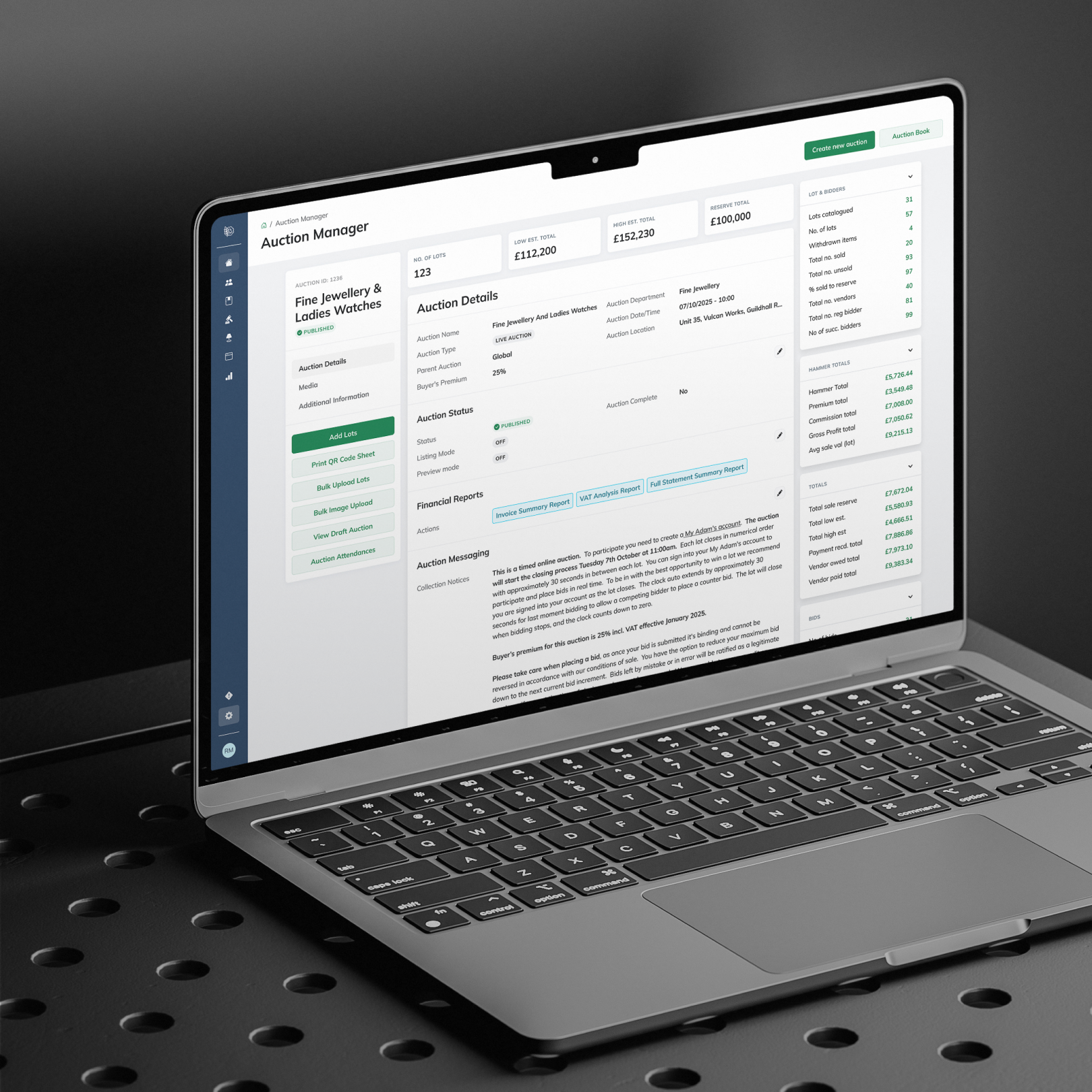
I led the UX/UI redesign of a back-office platform used by auction houses to manage the operational side of their business. The platform supported every stage of the auction lifecycle, including auction creation, client and vendor management, invoicing, receipting and lotting items, stock management, and the administration of supporting paperwork.Although the SaaS platform was feature-rich, the overall experience had become difficult to navigate. Years of incremental updates had resulted in inconsistent interfaces, complex workflows, and a lack of visual hierarchy, making routine tasks more time-consuming than they needed to be.The goal of the project was to create a modern, scalable experience that reduced friction for auction teams while providing a strong design foundation for future product development.
Back-office users spend most of their day moving between multiple workflows, often switching between vendors, clients, invoices, stock records, and auction catalogues within the same session. Existing user journeys contained unnecessary steps, inconsistent layouts, and varying interaction patterns, forcing users to relearn interfaces as they moved through the platform.
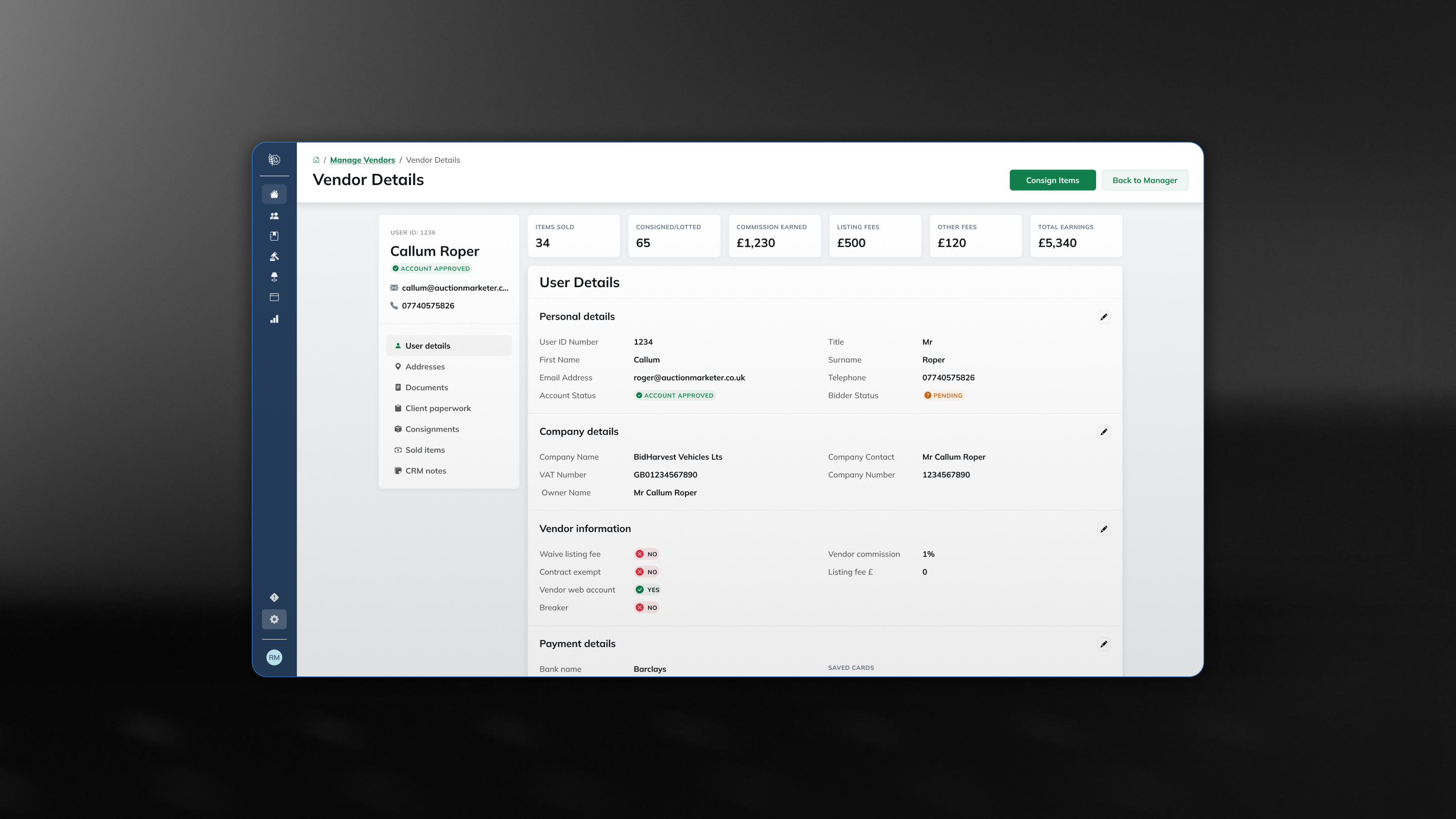
Some of the biggest pain points centred around onboarding vendors and consigning items for auction. These processes involved multiple forms, status changes, and supporting documentation, but the information architecture made it difficult to understand where users were in the process or what action was required next.
Another challenge was consistency. Similar components behaved differently across modules, spacing and typography varied between pages, and navigation lacked a predictable structure. As the platform continued to grow, these inconsistencies became increasingly difficult for both users and developers to manage.
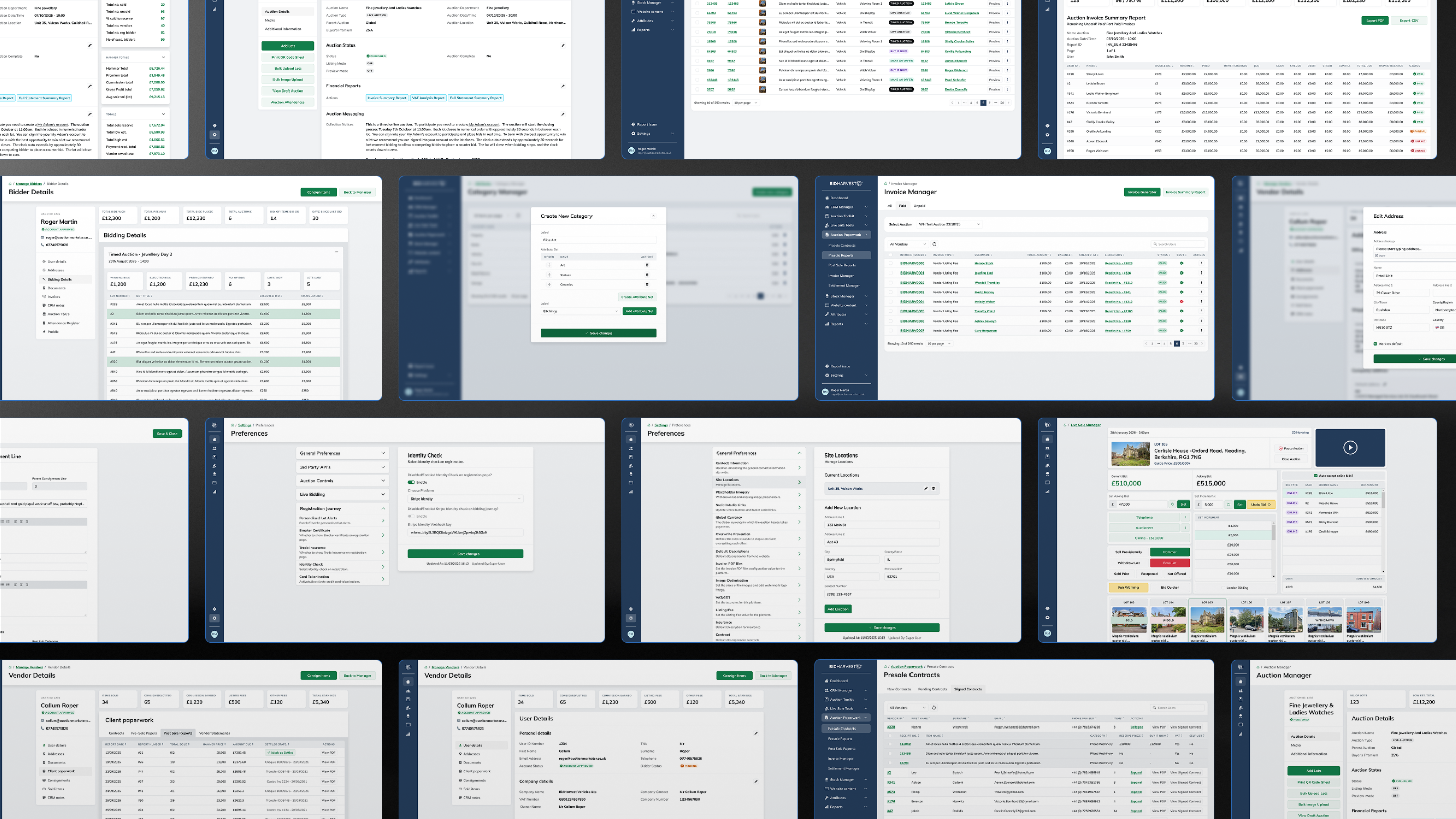
Rather than redesigning individual screens in isolation, I approached the project as the creation of a cohesive product experience.
I began by simplifying core user journeys, focusing on the tasks users performed most frequently. Vendor onboarding, client management, consignments, and inventory workflows were redesigned to reduce unnecessary decision points and improve the visibility of important information. Clear status indicators, progressive disclosure, and consistent page layouts helped reduce cognitive load while allowing users to complete complex administrative tasks with greater confidence.
Alongside the UX improvements, I designed a modern interface that better reflected the professionalism of the auction industry. Consistent spacing, typography, colour usage, and visual hierarchy created a cleaner experience while making information easier to scan.
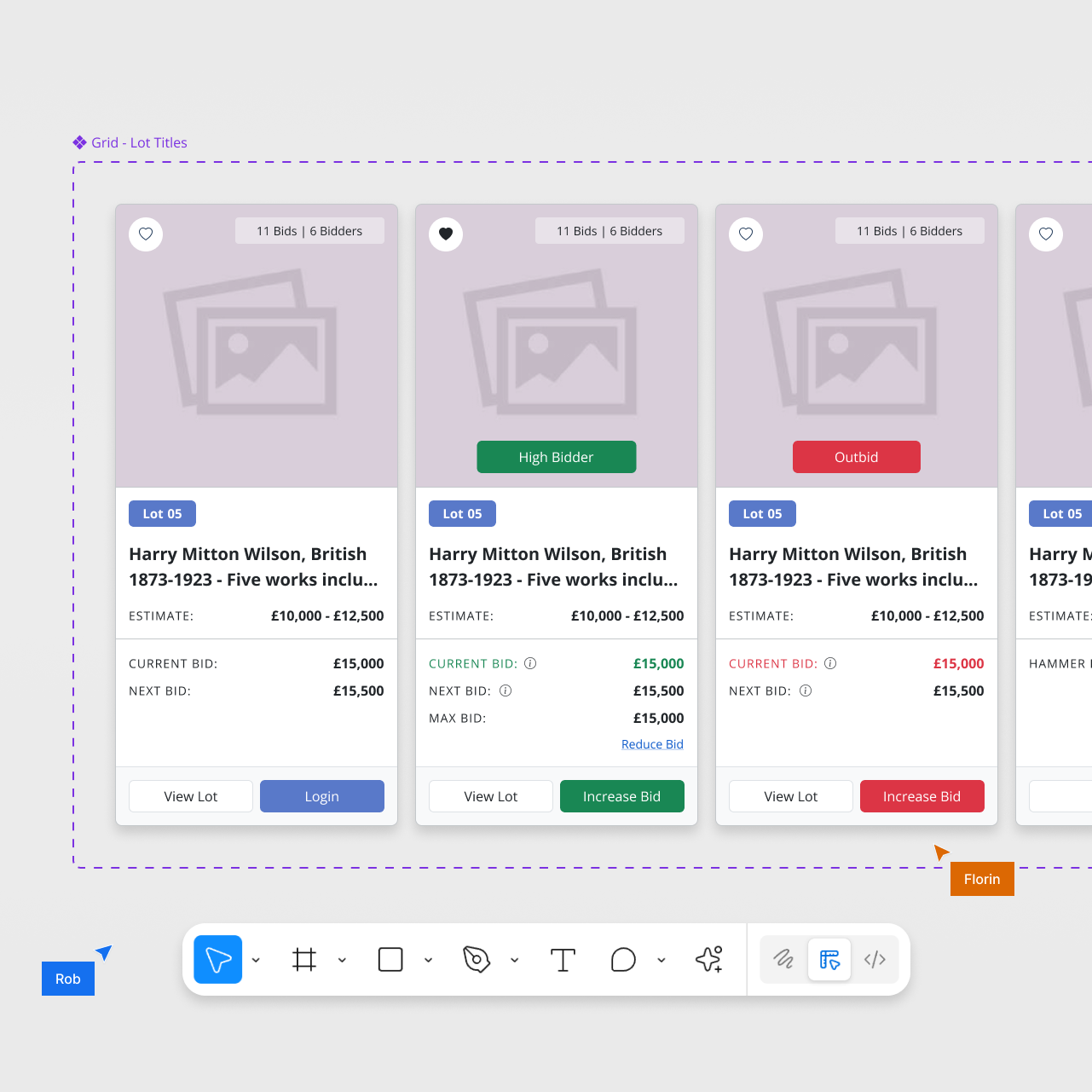
To support development, I created a reusable component library built around Bootstrap 5. Standardised tables, forms, cards, navigation patterns, alerts, modals, and data visualisations gave both designers and developers a shared design language, allowing new features to be delivered more efficiently while maintaining consistency throughout the product.
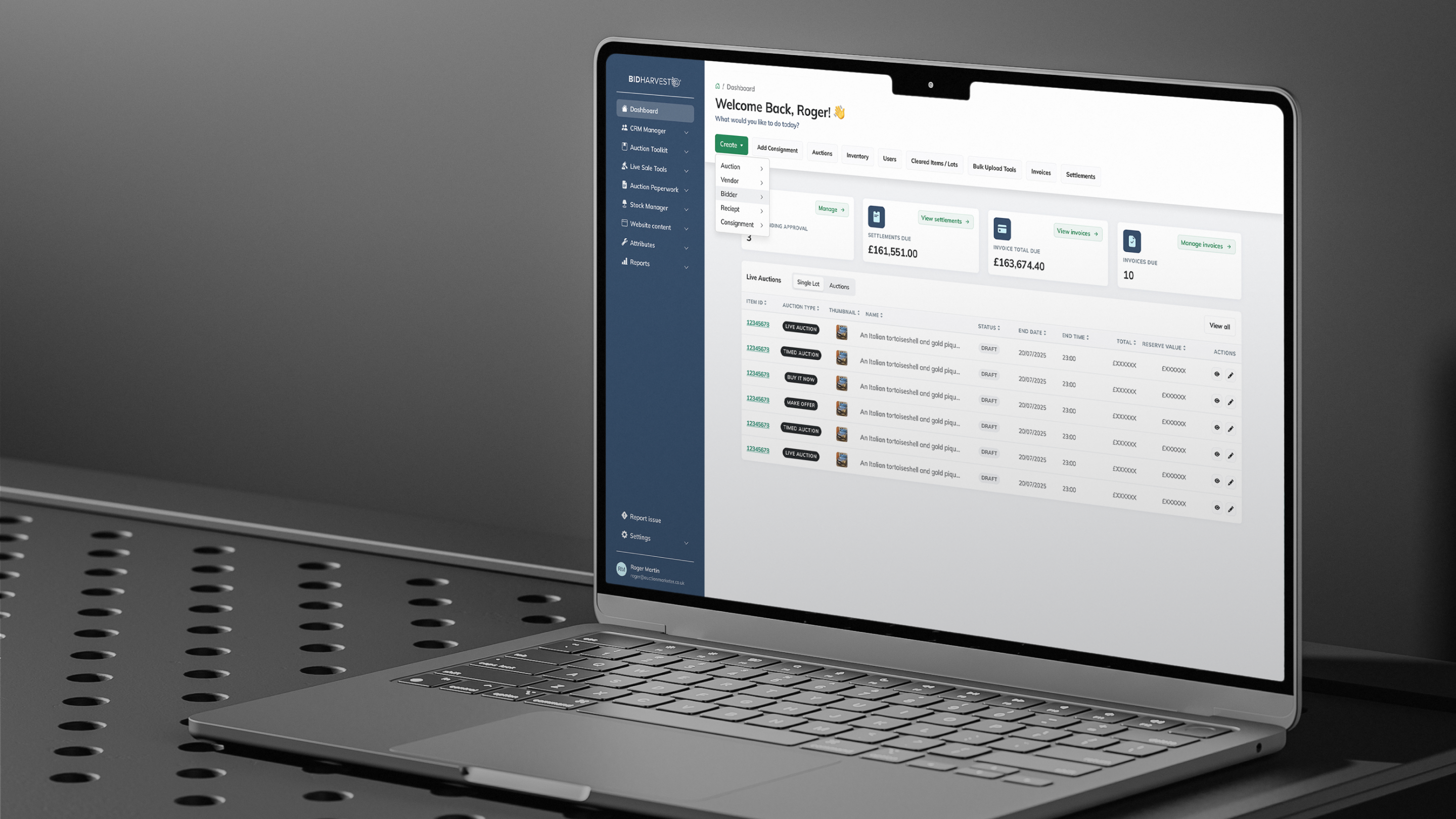
Dashboard pages were also redesigned to surface the information users needed most, providing clearer visibility into vendor activity, auction performance, outstanding invoices, and operational tasks. Rather than overwhelming users with data, the dashboards prioritised actionable insights and quick access to common workflows.
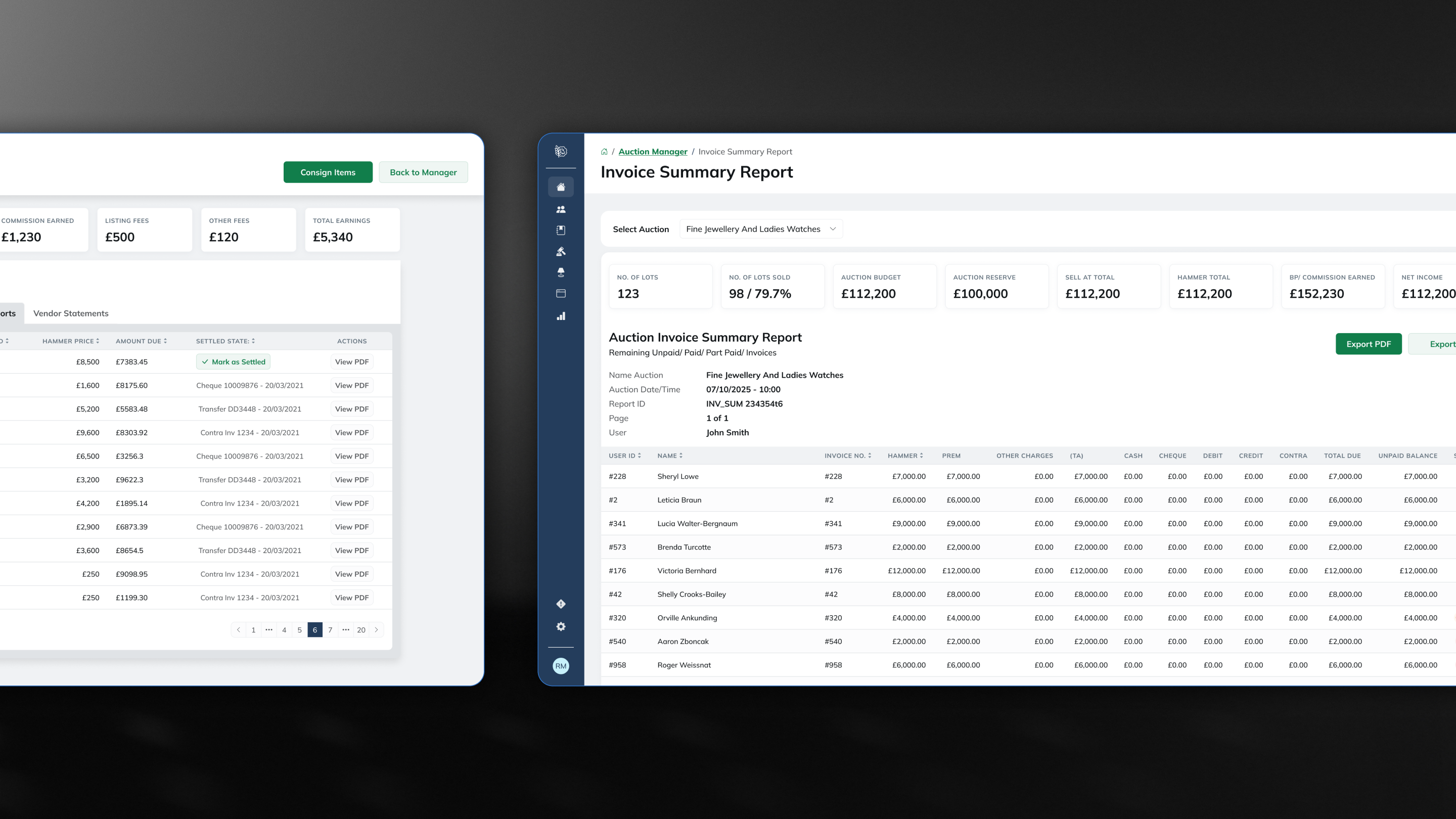
A key objective was ensuring the redesign could evolve alongside the product. Instead of creating one-off page designs, every interface was built using reusable components and established design patterns. This allowed new modules and features to inherit the same interaction principles without introducing inconsistencies.
The combination of Bootstrap 5 components, documented design standards, and a consistent spacing system gave the development team a framework that accelerated implementation while making future maintenance significantly easier.
The flexible design system also enabled different auction businesses to configure the platform to suit their operational needs without compromising the overall user experience.
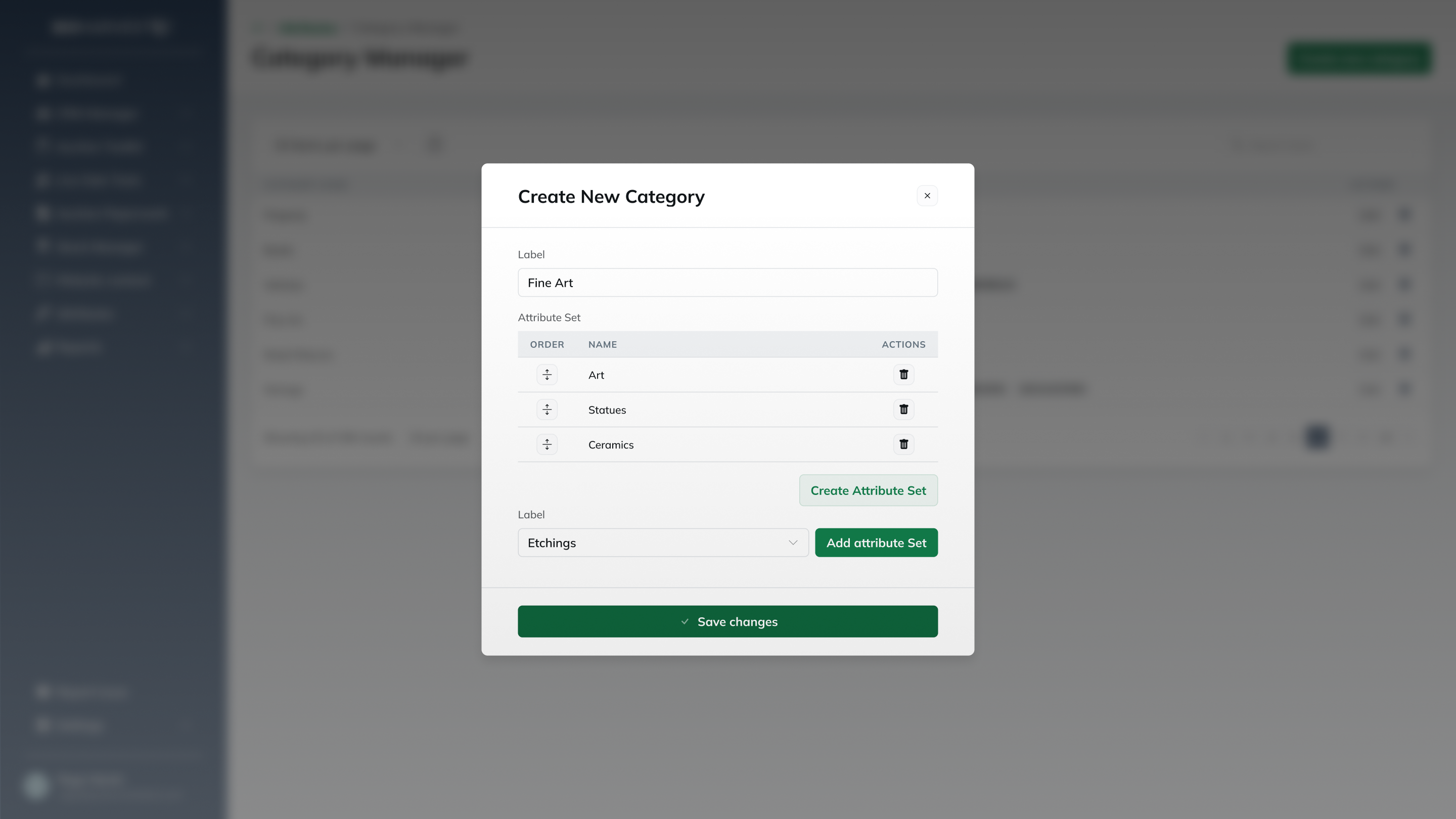
The redesign transformed the back-office platform into a more intuitive and scalable product. Users could onboard vendors, manage consignments, process invoices, and navigate between operational tools with far less effort than before.
By reducing friction across common workflows and creating a consistent visual language, the platform became easier to learn for new users while increasing efficiency for experienced auction teams.
Beyond the immediate usability improvements, the project established a scalable design system that continues to support new product development. The more consistent experience has helped reduce support requests, improve user engagement, and provide a stronger foundation for long-term product growth, giving auction businesses a back-office platform that can scale alongside their operations.